
Why Dynamic Pricing Matters for Vacation Rentals in Ski Towns
In ski towns like Sunday River, success is not just about location or snow; it is about timing. When you manage a vacation rental here, setting the right price does not stay the same week by week. It shifts, often quickly, as snow forecasts, holiday weekends, and school breaks come into play. That is why ...
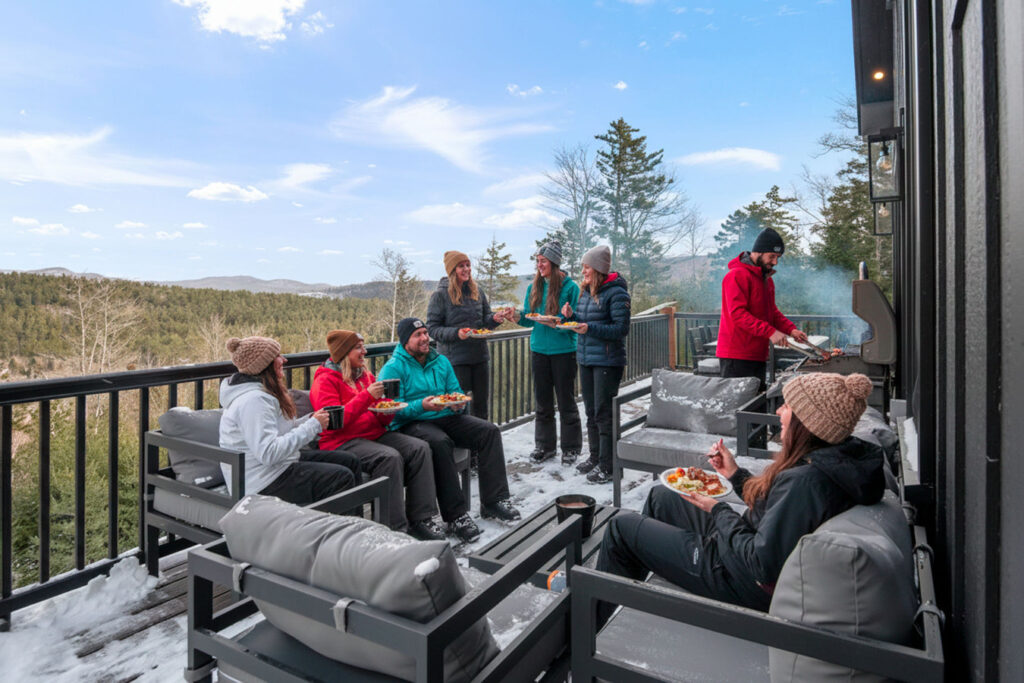
In ski towns like Sunday River, success is not just about location or snow; it is about timing. When you manage a vacation rental here, setting the right price does not stay the same week by week. It shifts, often quickly, as snow forecasts, holiday weekends, and school breaks come into play. That is why Sunday River vacation rental management depends heavily on dynamic pricing.
We use this strategy every winter because it works. It helps us respond to real-time demand changes and stay competitive without constant guesswork. Winter in the mountains does not follow a set schedule, and neither should your rates. Here is how dynamic pricing makes that happen and why it matters during peak ski season.
Understanding the Winter Rhythm in Ski Towns
If you have hosted through one Maine winter, you already know how unpredictable it can be. One week might be packed with travelers. The next may slow to a crawl, even if the snow is still falling.
Several patterns influence this cycle:
• Holiday weekends create spikes in demand, often booked far in advance
• School vacations vary from region to region, which can stagger interest through February
• Snow storms drive last-minute booking surges, especially when the conditions are perfect
• Lift ticket pricing and availability can shift when guests choose where to go
Static pricing, meaning the same rate every night or week, often misjudges these changes. That can lead to empty nights just when demand picks up. Or worse, underpriced bookings during the busiest weekends of the season.
How Dynamic Pricing Tracks with Snow, Storms, and Demand
Dynamic pricing does not rely on guesswork. Instead, it updates rates based on real booking behavior and local interest. That flexibility is what makes it so useful in ski towns where things can change quickly.
For example, if a big snowstorm is in the forecast, interest in Sunday River cabins often jumps within hours, especially among guests within driving distance. By adjusting rates in real time, we can capture that demand without losing booking momentum. The same idea applies during local events or winter festivals that bring in more weekend travelers than usual.
For Sunday River vacation rental management, this type of pricing helps us stay in line with what guests are ready to pay. It opens space for midweek stays or fills gaps that might otherwise go untouched.
The Connection Between Rate Adjustments and Longer Stays
One of the easiest ways to bring in more revenue is to reduce the number of empty days between bookings. That sounds easy, but strategy makes the difference. When your rates stay the same all week, guests tend to stick to the high-demand weekends. That often leaves short gaps that do not appeal to most travelers.
With dynamic pricing, we can balance those extra nights in a few ways:
• Adjusting midweek rates to fit remote workers who might stay longer
• Lowering prices slightly during slower weeks to appeal to budget-conscious travelers
• Creating slow-season value without cutting deep into earnings
This way, rates shift just enough to drive interest without reducing the quality of the experience. Over a winter season, even a few extra nights each month can make a big difference.
Getting Results Without Tracking the Market Every Hour
No owner wants to sit there adjusting nightly rates in a spreadsheet. It is time-consuming, and the market often changes too fast to keep up manually.
Our approach relies on automated tools that respond to changes in traveler behavior across dozens of sources. This lets us make the right adjustments in the background while we stay focused on the calendar’s bigger picture. For homeowners who do not live near Sunday River, this is especially important. It gives back time and removes the guesswork of figuring out when, and how much, to tweak a listing.
It is not just about automation. Local knowledge still plays a big role. Rates in January behave differently than in March, even if booking habits look similar on paper. That is where experience and observation tie into daily decisions, helping homes stay competitive without extra stress or oversight.
Clearer Rates, Better Guest Experiences
Guests notice when something feels fairly priced. They may not always book the lowest rate, but they want values that match expectations.
Dynamic pricing does more than just respond to demand. It helps deliver consistent experiences by supporting these patterns:
• Turnover schedules become more predictable, which helps cleaning and maintenance stay on track
• Gaps between stays are smaller, which reduces idle days and boosts calendar use
• Guests who book midweek or off-peak stays often leave more detailed feedback, helping improve listings over time
Good pricing does not feel random when it is managed carefully. It makes the entire guest experience smoother, from browsing to check-out.
Maximize Every Weekend and Storm Window
There is no average winter at a ski town. Every year plays out a little differently. Maybe storms land late one season and early the next. Some weeks barely fill at all, then suddenly pick up with only a few days’ notice. That is why being ready to move with actual demand is so useful.
By tracking what guests are searching for, in both pricing and dates, we are able to fill more of the calendar. This one adjustment often leads to better long-term performance, especially when rooms are priced in response to what people are already looking for.
Weekend bookings will always be strong. By planning for the unpredictable and using tools that respond to snow patterns, we gain more control over how the entire season plays out.
Want to get ahead of your winter bookings this season? Let Everrow Property help you create a strategy that aligns with real mountain demand and drives results. If you’re ready to improve performance and take a smarter approach to Sunday River vacation rental management, we’re here to make it easier. More bookings and better pricing begin when you work with a partner who knows how the season really works.
Find out what your Maine property could earn.
Our revenue team builds a custom projection for your home using comparable rentals, seasonal demand, and the operational levers most owners overlook. No obligation, no high-pressure follow-up.