Airbnb vs. VRBO for Maine Property Owners
The Maine Short-Term Rental Market in 2026 Maine’s vacation rental market has matured significantly over the past several years, and the opportunity for property owners continues to grow. Coastal destinations like Portland and Old Orchard Beach drive strong summer tourism, with visitors arriving for the beaches, lobster shacks, breweries, and the kind of laid-back New ...
The Maine Short-Term Rental Market in 2026
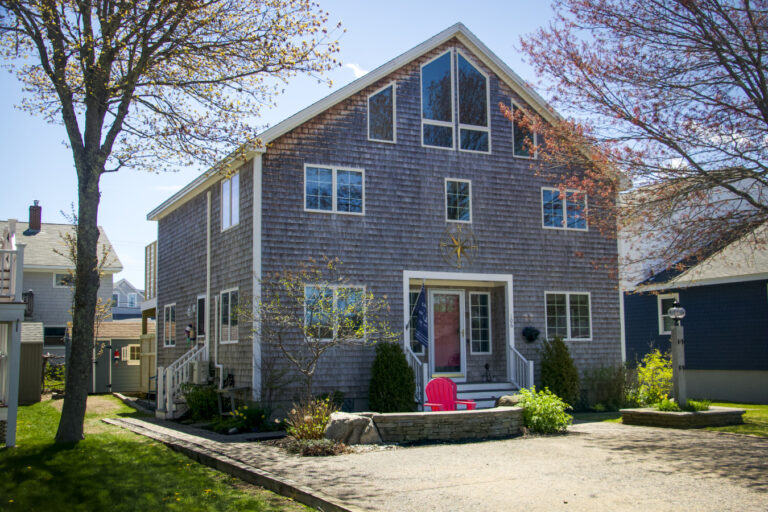
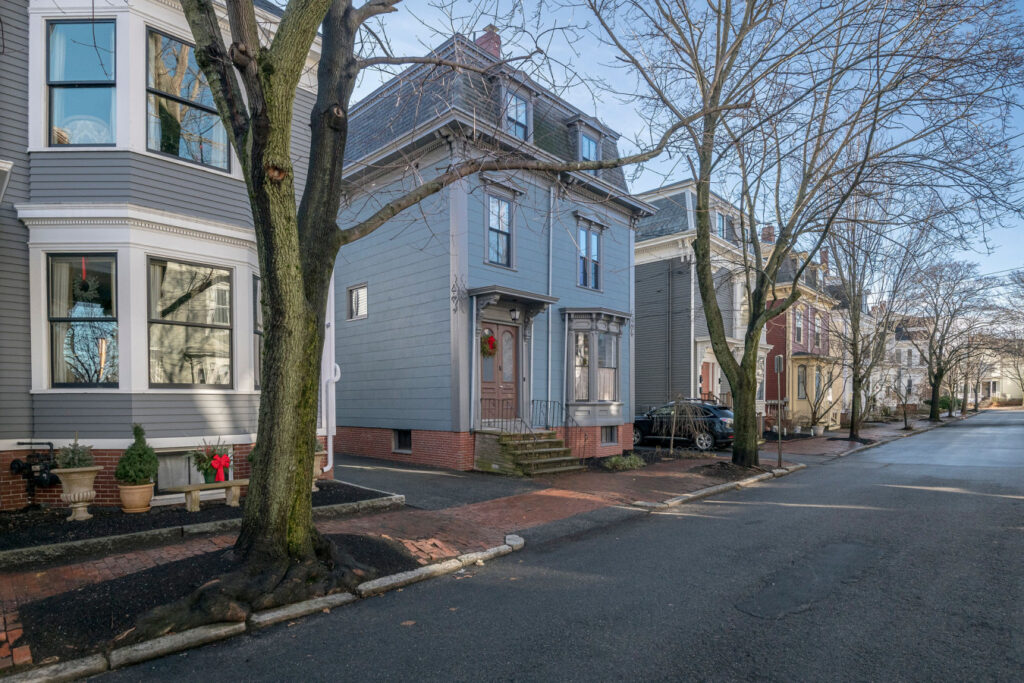
Maine’s vacation rental market has matured significantly over the past several years, and the opportunity for property owners continues to grow. Coastal destinations like Portland and Old Orchard Beach drive strong summer tourism, with visitors arriving for the beaches, lobster shacks, breweries, and the kind of laid-back New England charm that’s hard to find anywhere else. Meanwhile, inland and mountain destinations like Sugarloaf and Sunday River have built a year-round appeal, with ski season providing the primary revenue driver and summer activities like hiking, mountain biking, and golf filling in shoulder seasons.
THE BOTTOM LINE
For Maine vacation rental owners, Airbnb delivers broader reach and stronger year-round occupancy — especially in urban markets like Portland — while VRBO attracts family travelers booking longer stays at higher nightly rates. The most effective strategy is listing on both platforms with synchronized calendars, which professional management handles automatically.
What makes Maine’s market unique is the diversity of demand. Portland attracts a mix of food tourists, cultural travelers, and remote workers looking for a scenic change of scenery. Old Orchard Beach draws families and beachgoers from across New England and Quebec. The ski towns pull winter sports enthusiasts, holiday vacationers, and increasingly, summer adventure seekers. Each of these traveler profiles behaves differently when it comes to booking platforms, which is why the Airbnb vs. VRBO question matters so much for Maine property owners.
The platform you choose, or whether you choose both, directly affects which guests find your listing, how much they’re willing to pay, and how far in advance they book. Getting this decision right is one of the simplest ways to increase your rental income without spending a dollar on property upgrades.
Airbnb’s Strengths for Maine Property Owners
Airbnb has become the default name in short-term rentals, and that brand recognition carries real value. When someone plans a trip to Portland, there’s a good chance their first search is on Airbnb. The platform’s massive user base means more eyeballs on your listing, particularly from younger travelers, couples, and solo visitors who make up a significant portion of Portland’s tourism market.
Airbnb’s algorithm rewards hosts who respond quickly, maintain high review scores, and keep their calendars updated. The platform’s Superhost program provides additional visibility and trust signals to potential guests, which can meaningfully increase your booking rate. For Portland properties in particular, Airbnb’s Experiences feature and city-centric design work well, since guests are often looking for walkable access to restaurants, galleries, and nightlife rather than an isolated getaway.
Airbnb also offers more flexible listing options. You can list a private room, a shared space, or an entire home, which gives owners of larger properties the ability to experiment with different configurations. If you have a Portland duplex, for example, you could list one unit as a whole-home rental and a spare room in the other unit as a private room listing, maximizing revenue from both.
The platform’s instant booking feature and flexible cancellation policy options also appeal to the spontaneous traveler demographic. In a market like Portland, where weekday bookings from remote workers and last-minute weekend getaways make up a significant portion of demand, this flexibility matters.
VRBO’s Strengths for Maine Property Owners
VRBO has carved out a distinct position in the vacation rental market by focusing exclusively on whole-home rentals. You won’t find private rooms or shared spaces on VRBO, and that focus on entire properties attracts a specific kind of guest: families, friend groups, and travelers who want a private, self-contained vacation experience.
For Maine property owners, this audience alignment is powerful. If you own a multi-bedroom beach house in Old Orchard Beach, a lakefront cabin in the Sebago Lake region, or a ski-in/ski-out condo at Sugarloaf, VRBO’s user base is exactly the kind of guest who’s looking for your property. These guests tend to book longer stays (often a full week rather than a weekend), plan further in advance, and spend more per booking.
VRBO’s connection to the Expedia Group travel ecosystem is another significant advantage. Your listing can appear across Expedia, Hotels.com, and other partner sites, giving you exposure to travelers who might never search on VRBO directly. For Maine properties that attract a lot of out-of-state visitors, particularly families from the Boston metro area, New York, and Quebec, this broader distribution network can drive meaningful incremental bookings.
The platform also tends to perform particularly well for seasonal properties. Ski condos at Sunday River and Sugarloaf, summer beach houses in OOB, and lakefront properties all match the type of vacation VRBO guests are planning: a full week (or longer) in a dedicated home, often booked months in advance. This advance booking pattern gives you better revenue visibility and makes financial planning much easier.
Why choose one platform when you can win on both?
Everrow manages multi-platform listings so you never miss a booking — without the double-booking risk.
Can You List on Both Platforms?
Absolutely, and in most cases, you should. The data consistently shows that properties listed on both Airbnb and VRBO earn more total revenue than those listed on only one platform. The audiences are different enough that you’re not simply splitting the same pool of guests between two sites. You’re accessing two distinct pools of potential bookers.
The practical challenge of dual-platform listing is calendar management and operational complexity. If a guest books three nights on Airbnb, that availability needs to instantly disappear from your VRBO listing (and vice versa) to prevent double-bookings. Pricing may also need to differ between platforms to account for their different fee structures and guest expectations. Guest communication happens through separate inboxes, and each platform has its own review system, policies, and best practices.
For owners who self-manage, running two platforms can feel like running two small businesses. But for owners who work with a professional property management company, dual-platform listing is seamless. The management company handles real-time calendar syncing, platform-specific pricing optimization, separate guest communication workflows, and review management across both sites.
At Everrow Property, dual-platform listing is standard practice for the properties we manage. We find that the incremental revenue from the second platform consistently exceeds any additional operational cost, meaning our owners earn more without any extra effort on their part.
How to Decide What’s Right for Your Property
The right platform strategy depends on your property type, location, target guest, and how hands-on you want to be. Here are some guidelines based on what we see working in the Maine market.
If you own a one- or two-bedroom property in Portland’s downtown, Arts District, or East End, Airbnb is likely your primary platform. Portland’s guest demographic skews younger and more experience-focused, and Airbnb’s algorithm and design cater to that audience. VRBO should still be part of your strategy, but expect Airbnb to drive the majority of bookings.
If you own a larger, family-friendly property in Old Orchard Beach, the Sebago Lake region, or near the coast, VRBO becomes a stronger primary channel. Families and groups looking for week-long summer rentals tend to search VRBO first, and the longer average booking length means fewer turnovers and lower cleaning costs per revenue dollar.
If you own a ski property at Sugarloaf or Sunday River, both platforms are roughly equal in importance. Airbnb drives more weekend and short-stay bookings, while VRBO captures the week-long holiday and vacation bookings. You need both to fill your calendar across the full season.
Regardless of which platform you lean toward, the most important thing is to approach the decision with data rather than assumptions. The best way to start is to understand what your property could realistically earn. Our Revenue Estimator tool can give you a data-backed projection in minutes, and from there you can make an informed decision about platforms, pricing, and whether professional management makes sense for your situation. If you have more specific questions, our frequently asked questions page covers many of the common concerns Maine property owners have when getting started.
See what your Maine property could earn
Our free revenue estimator covers Portland, Old Orchard Beach, Sugarloaf, and Sunday River.
Find out what your Maine property could earn.
Our revenue team builds a custom projection for your home using comparable rentals, seasonal demand, and the operational levers most owners overlook. No obligation, no high-pressure follow-up.